Updating your news feed...
NEWS EXPRESS is Nigeria’s leading online newspaper. Published by Africa’s international award-winning journalist, Mr. Isaac Umunna, NEWS EXPRESS is Nigeria’s first truly professional online daily newspaper. It is published from Lagos, Nigeria’s economic and media hub, and has a provision for occasional special print editions. Thanks to our vast network of sources and dedicated team of professional journalists and contributors spread across Nigeria and overseas, NEWS EXPRESS has become synonymous with newsbreaks and exclusive stories from around the world.





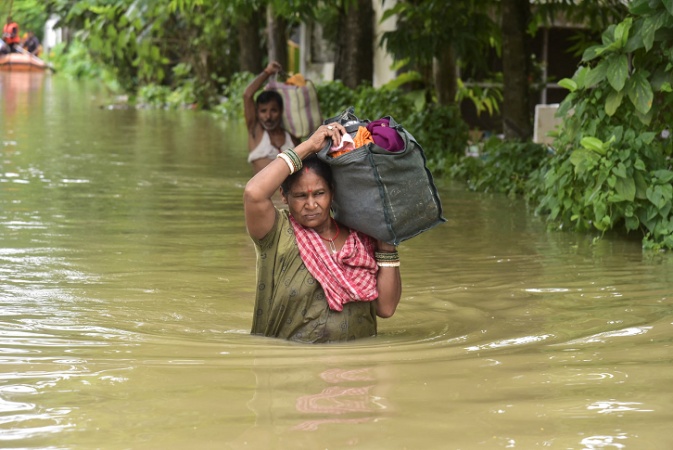
Floods and landslides triggered by monsoon rains have killed more than 100 people across India since July, according to official data, with thousands forced to flee flooded homes.
The annual monsoon brings rain that farmers depend on, but scientists say climate change is making it increasingly deadly across South Asia.
This year’s toll spans several states. Assam has been hit hardest, with at least 87 dead, and Sivasagar district alone accounting for 47.
Kerala has recorded at least 15 deaths and seven missing after days of heavy rain, Chief Minister VD Satheesan said, with more than 10,000 people sheltering in more than 300 relief camps in the state.
A report by the public state broadcaster said that Indian-administered Jammu and Kashmir has seen at least 31 killed by intense rain bursts.
Lightning strikes have killed at least 14 people in Jharkhand, most of them farm workers caught in open fields. Jharkhand saw more than 200 deaths in 2025, mainly attributed to “lightning associated with thunderstorms”, the India Meteorological Department said in January.
Monsoon-related deaths are an annual occurrence across India after the region’s long summers when many parts of the country face water scarcity and drought.
The pattern extends beyond India’s borders. In Sri Lanka, at least eight deaths and 12,000 displaced from monsoon flooding have been recorded. This happened while the country’s eastern regions were in the grip of a severe drought, with authorities having to transport drinking water for residents in tanker trucks.
Sri Lanka’s government said last month that the extreme weather stems from this year’s El Nino, a climate pattern that warms surface temperatures in the central and eastern equatorial Pacific. It occurs when normal east-to-west trade winds weaken or reverse, pushing warm water eastward and significantly disrupting global weather and rainfall. (Al Jazeera, excluding headline)
•People wade through a flood-affected area with their belongings in Sivasagar, Assam, India, on July 23, 2026 [Hafiz Ahmed/Reuters]












.webp)