
Updating your news feed...
NEWS EXPRESS is Nigeria’s leading online newspaper. Published by Africa’s international award-winning journalist, Mr. Isaac Umunna, NEWS EXPRESS is Nigeria’s first truly professional online daily newspaper. It is published from Lagos, Nigeria’s economic and media hub, and has a provision for occasional special print editions. Thanks to our vast network of sources and dedicated team of professional journalists and contributors spread across Nigeria and overseas, NEWS EXPRESS has become synonymous with newsbreaks and exclusive stories from around the world.















.webp)

Loading banners
Loading banners...

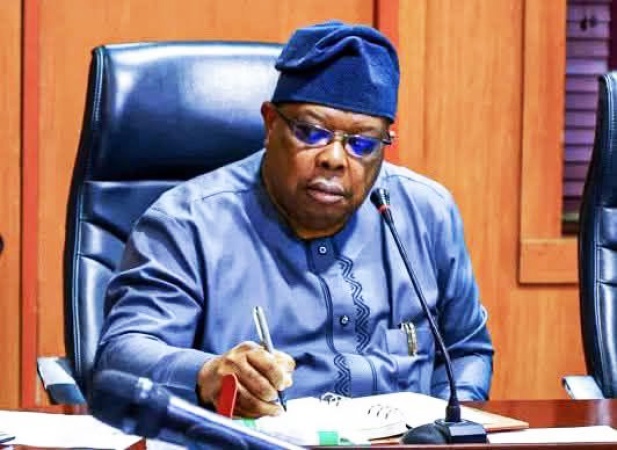
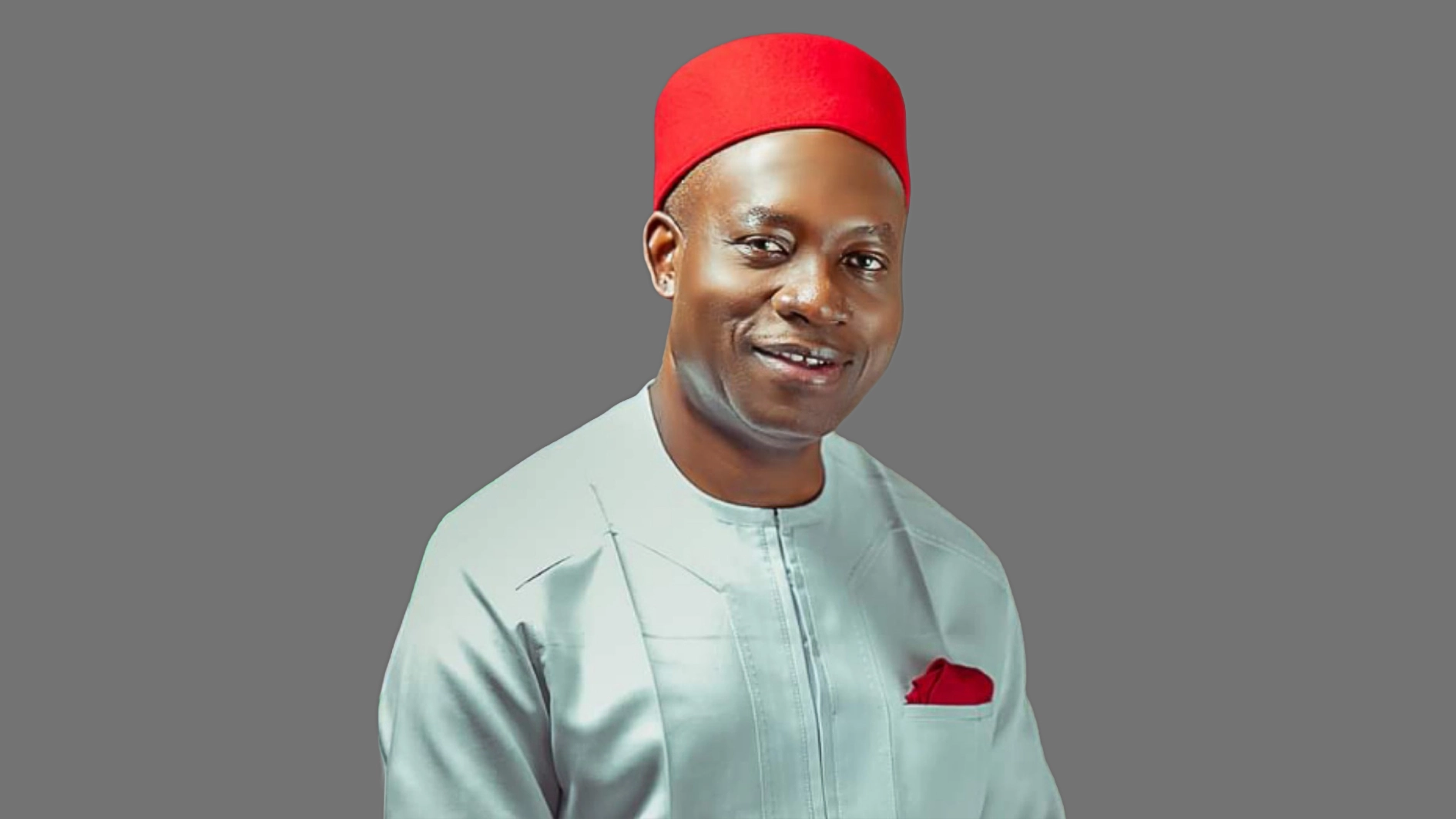
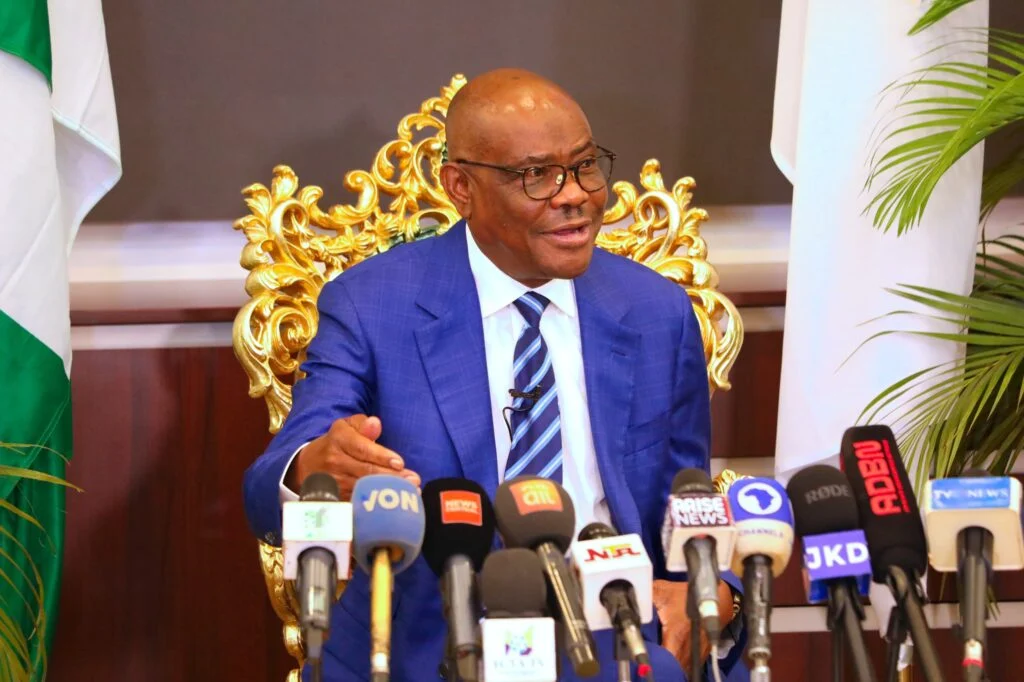
Minister of Power, Joseph Tegbe
The Federal Government on Friday unveiled plans to begin phasing out electricity subsidies from 2027. Government said it is part of sweeping reforms aimed at rescuing Nigeria’s financially distressed power sector.
Minister of Power, Joseph Tegbe, disclosed the plan at a Media Stakeholders Session in Lagos on Friday, saying the gradual withdrawal of subsidies would form part of efforts to restore the commercial viability of the electricity market without denying Nigerians the benefits of improved power supply.
But it ruled out any immediate increase in electricity tariffs. “There is no policy by this administration to increase electricity tariffs beyond its current level,” Tegbe said.
He added that the government’s immediate focus remains improving electricity supply, accelerating universal metering and ensuring consumers pay only for the electricity they consume.
The decision to phase out subsidies comes as the Nigerian Electricity Supply Industry grapples with one of its worst liquidity crises in years, with government subsidy obligations and unpaid gas debts now exceeding N2.7 trillion.
Official figures from the Nigerian Bulk Electricity Trading Plc (NBET) show that the Federal Government’s outstanding electricity tariff shortfall climbed to N1.78 trillion within 11 months, while debts owed to gas suppliers under the Gas Stabilisation Fund reached N986.45 billion. The mounting obligations have strained the finances of electricity generation companies and gas suppliers, raising concerns over the sustainability of power generation.
The figures further showed that between April 2025 and April 2026, electricity distribution companies issued invoices worth N3.16 trillion, of which the Federal Government was expected to cover N1.86 trillion, representing about 58.8 per cent of the total as subsidy for customers in Bands B to E whose tariffs remain below cost-reflective levels.
The huge subsidy burden has compounded liquidity challenges across the electricity value chain, limiting the ability of generation companies to pay gas suppliers, finance maintenance and invest in additional capacity.
Against this backdrop, Tegbe said the Federal Government was advancing a Power Sector Bond initiative to settle longstanding obligations owed to generation companies, gas suppliers and other market participants.
According to him, clearing the legacy debts is critical to restoring investor confidence, unlocking fresh investment and returning commercial discipline to the Nigerian Electricity Supply Industry.
The minister also announced a comprehensive “Resetting the Sector” agenda designed to tackle structural weaknesses across generation, transmission, distribution and market governance.
He revealed that Nigeria had consistently generated about 5,000 megawatts over the past two weeks, attributing the improvement to better operational coordination across the electricity value chain. However, he stressed that increased generation alone would not solve the country’s electricity crisis.
“Electricity must be generated, transmitted, distributed and paid for. All these components must function simultaneously,” he said.
The minister said as part of the reform programme, the ministry will undertake a comprehensive technical audit of the national transmission network, harmonise federal and state electricity regulations, strengthen three strategic transmission corridors covering Lagos, Enugu-Port Harcourt and Abuja-Kaduna-Kano, modernise transmission infrastructure, optimise under-utilised electricity assets and implement a Super Grid Programme to expand the country’s transmission backbone.
On metering, Tegbe said the government had placed the Presidential Metering Initiative at the centre of its reforms and inaugurated a “Power Force” comprising 5,000 Nigerian youths who will be trained and deployed nationwide for meter installation to close the country’s metering gap while creating skilled jobs.
He said Nigerians should begin to witness noticeable improvements in electricity availability within the next few months, while a stronger, more reliable and financially sustainable electricity market is expected to emerge over the next two to three years.
“Resetting the sector is not about buzz words. It is about execution, discipline, coordination and measurable outcomes. We will measure our success by improvements experienced in the daily lives of Nigerians,” the minister said. (The Sun)