Updating your news feed...
NEWS EXPRESS is Nigeria’s leading online newspaper. Published by Africa’s international award-winning journalist, Mr. Isaac Umunna, NEWS EXPRESS is Nigeria’s first truly professional online daily newspaper. It is published from Lagos, Nigeria’s economic and media hub, and has a provision for occasional special print editions. Thanks to our vast network of sources and dedicated team of professional journalists and contributors spread across Nigeria and overseas, NEWS EXPRESS has become synonymous with newsbreaks and exclusive stories from around the world.









Loading banners
Loading banners...

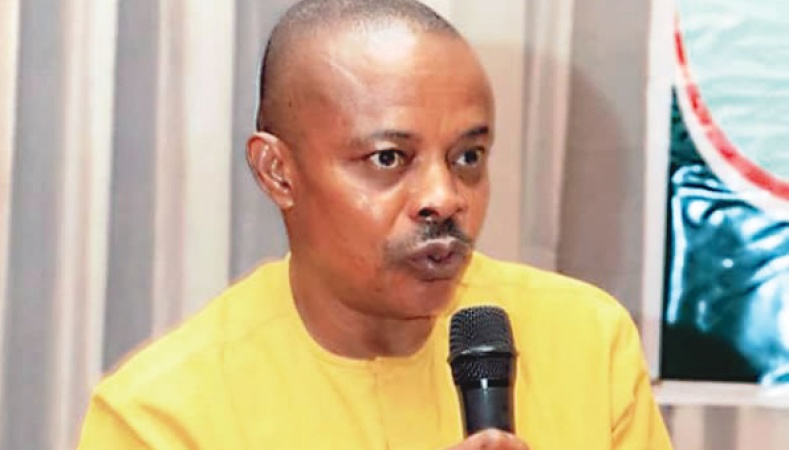
NLC President Comrade Joe Ajaero
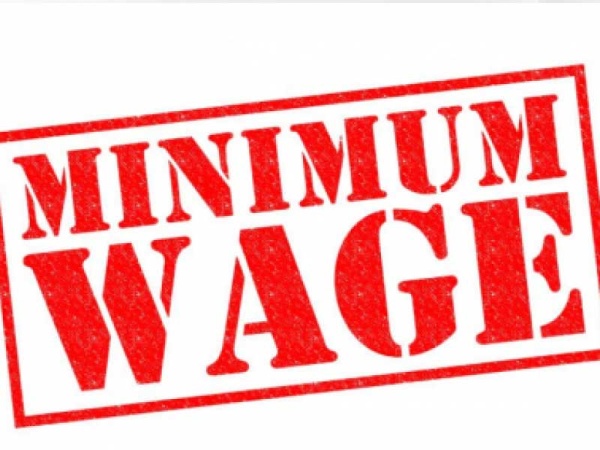
Nigeria’s organised labour movement has sounded the alarm over what it described as a deepening crisis of survival facing workers, declaring that negotiations for a new national minimum wage must begin immediately to prevent millions of Nigerians from sliding further into poverty.
Speaking at the 114th International Labour Conference (ILC) in Geneva, leaders of the Nigeria Labour Congress (NLC) and the Trade Union Congress (TUC) said the current minimum wage framework no longer reflects the harsh economic realities confronting workers across the country.
The labour leaders warned that inflation, soaring transportation costs, rising food prices, expensive housing and escalating healthcare bills have severely eroded workers’ earnings, leaving many unable to meet their basic needs despite being employed.
“This brings us to the National Minimum Wage,” the labour movement said in a joint address. “The current Act expires early next year, and we have announced that renegotiation will commence by July 2026 to avoid the painful delays of the past.”
The unions revealed that they would formally write to the Federal Government upon their return from Geneva to demand the immediate commencement of talks on a new wage structure. According to them, the process must begin now if a fresh wage agreement is to be concluded before the expiration of the existing law.
Labour insisted that the next wage review must go beyond political promises and deliver what it termed a “genuine living wage” capable of restoring dignity to workers whose incomes have been ravaged by inflation and economic hardship.
“We demand nothing less than a genuine living wage that reflects today’s harsh economic realities,” the NLC and TUC declared. “We once again demand immediate relief measures by governments at all levels until the new minimum wage is signed into law.”
The unions painted a grim picture of the nation’s economic condition, arguing that official claims of economic progress have failed to translate into meaningful improvements in the lives of ordinary Nigerians.
They maintained that workers are bearing the burden of reforms while seeing little benefit from government policies.
“We are told of GDP growth and exchange rate stabilisation, yet the cost of transport, food, housing and medicine continues its merciless climb,” the labour leaders said. “The economy, quite simply, is not working for workers.”
According to the labour movement, approximately 65 percent of Nigerians, estimated at about 150 million people, are trapped in multidimensional poverty, while thousands more fall below the poverty line every day.
Leaders of the Organised Labour argued that the situation underscores the urgency of a new wage regime that can provide meaningful protection for workers and their families.
The NLC and TUC also rejected any attempt to impose taxes on minimum wage earners, warning that additional deductions would further impoverish low-income workers already struggling to survive.
“We also reject outright any attempt to tax the minimum wage or to levy further burdens on the poor,” the two Labour centres stated, insisting that workers should not be made to pay for economic challenges beyond their control.
Beyond wages, labour leaders linked the deteriorating standard of living to worsening insecurity across the country.
They argued that many workers now face threats to their safety simply by travelling to work, while economic activities in several communities have been disrupted by violence and displacement.
The unions warned that if insecurity continues unchecked, organised labour may be forced to take extraordinary measures to protect workers. They noted that some unions had already begun considering actions aimed at safeguarding members whose lives are increasingly at risk.
Labour further accused political leaders of focusing on preparations for the 2027 elections while millions of Nigerians grapple with hunger, unemployment and insecurity. The movement urged government officials to prioritise the welfare of citizens and engage in meaningful dialogue on what it described as a national crisis of survival.
The Geneva address also highlighted concerns about the future of work, particularly the impact of artificial intelligence and digital platforms on employment. Labour leaders argued that technological advancement must not become an excuse for suppressing wages or weakening workers’ rights.
As negotiations over a new minimum wage draw closer, the NLC and TUC vowed to mobilise workers and civil society groups to demand economic policies that place people ahead of profits. They maintained that the fight for a living wage is inseparable from the broader struggle for social justice and national development.
Ending their address with a rallying cry, the labour leaders called on Nigerians to unite in demanding change. “Nigeria can be saved,” they declared. “But it can only be saved by us. Only together. Only now.” (The Sun)