ADAD
ADADUpdating your news feed...

NEWS EXPRESS is Nigeria’s leading online newspaper. Published by Africa’s international award-winning journalist, Mr. Isaac Umunna, NEWS EXPRESS is Nigeria’s first truly professional online daily newspaper. It is published from Lagos, Nigeria’s economic and media hub, and has a provision for occasional special print editions. Thanks to our vast network of sources and dedicated team of professional journalists and contributors spread across Nigeria and overseas, NEWS EXPRESS has become synonymous with newsbreaks and exclusive stories from around the world.









Loading banners
Loading banners...

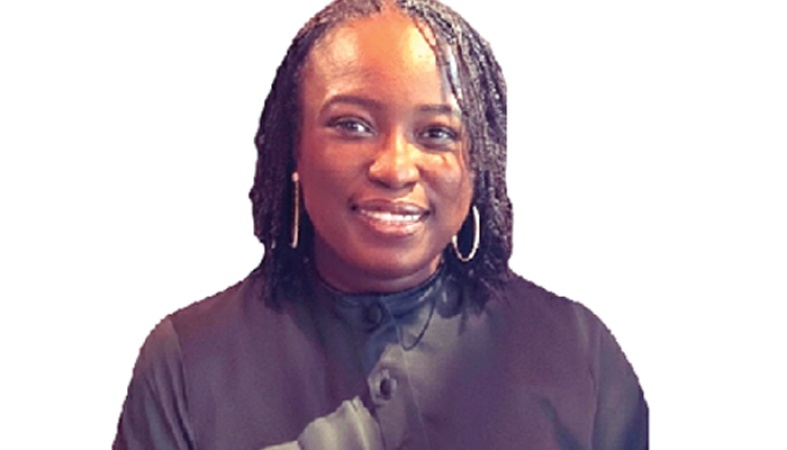
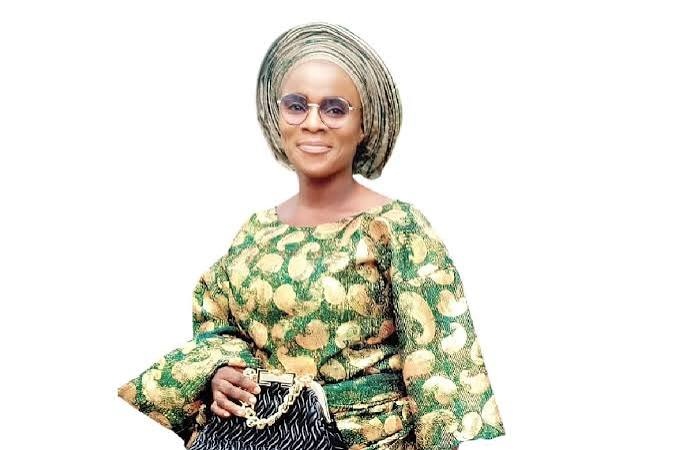
The Executive Director of Invictus Africa, Ms Bukky Shonibare
A coalition of women-led civil society organizations in Nigeria is demanding urgent electoral reforms ahead of the 2027 general elections, following a post-primary audit that exposed a severe gender gap.
The groups made the demand in a joint statement signed in Abuja by the Voice of Women Empowerment Foundation (VOWEF), Women in Politics Forum (WIPF), Ene Obi Centre for Development (ECD), and Gender Strategy Advancement International (GSAI).
They noted exclusionary practices in party primaries across 22 political parties and pushed for policy, institutional, and legislative interventions aimed at reversing the trend.
Ms. Bukky Shonibare, the Executive Director of Invictus Africa, said the review exposed persistent structural barriers against women, including forced withdrawals, opaque “consensus” arrangements, and last-minute candidate substitutions.
According to her, only three women emerged as senatorial candidates across all 22 parties.
Shonibare revealed that only three of the 22 political parties recorded female aspirant participation above 20 percent, with the Peoples Democratic Party (PDP) recording 28.2 percent, the Young Progressives Party (YPP) 22.2 percent, and the Youth Party (YP) 20 percent.
She added that other parties recorded significantly lower figures, including the National Rescue Movement (NRM) at 11.8 percent, the All Progressives Congress (APC) at 10.4 percent, and the New Nigeria People’s Party (NNPP) at 0.0 percent.
She warned that under the current trajectory, women may occupy just 2.7 percent of seats in the Senate after the 2027 elections.
Also speaking, Mrs. Toun Sonaiya, Co-founder and Executive Director of VOWEF, described the primaries as a system of entrenched exclusion, warning that “gatekeeping has become institutionalized” within political party structures.
She cautioned that without urgent intervention, the 2027 elections would worsen women’s political representation compared to 2023, and urged immediate corrective measures across political institutions.
Mr. Austin Aigbe, a gender equity advocate, described the Special Seats Bill as the most viable legal pathway to addressing the imbalance, stressing that meaningful progress requires legal reform rather than advocacy alone.(NAN)
Cynthia Mbamalu of Yiaga Africa urged the Independent National Electoral Commission (INEC) to publish comprehensive gender-disaggregated reports on party primaries and candidate selection processes to improve transparency and accountability.
Adaora Sydney-Jack of GSAI stated that the exclusion of women remains structural and political in nature, noting that Nigeria’s challenge cannot be blamed on a lack of capacity or qualified women.
Ebere Ifendu, National President of WIPF, called on political parties to enforce internal democratic rules and ensure accountability for violence, intimidation, and discrimination against female aspirants.
Furthermore, Ene Obi of the ECD urged stronger investment in women’s political empowerment and the full implementation of existing affirmative action commitments and judicial rulings.
Abosede George-Ogan of Women’s Initiatives for Leadership Advancement (WILAN) called for sustained efforts to strengthen women’s political, economic, institutional, and narrative power through technology, leadership development, funding support, and grassroots mobilization.
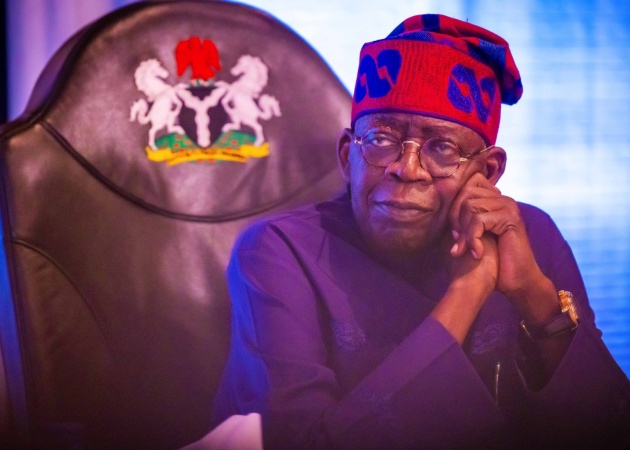
Consequently, the coalition called on President Bola Tinubu to support the passage of the Special Seats Bill, describing it as a necessary democratic correction rather than a form of charity.
They also demanded that political parties adopt a policy requiring female deputy governorship candidates alongside male governorship candidates in the 2027 elections to guarantee better inclusion. (Daily Trust)