 ADAD
ADAD
Updating your news feed...
NEWS EXPRESS is Nigeria’s leading online newspaper. Published by Africa’s international award-winning journalist, Mr. Isaac Umunna, NEWS EXPRESS is Nigeria’s first truly professional online daily newspaper. It is published from Lagos, Nigeria’s economic and media hub, and has a provision for occasional special print editions. Thanks to our vast network of sources and dedicated team of professional journalists and contributors spread across Nigeria and overseas, NEWS EXPRESS has become synonymous with newsbreaks and exclusive stories from around the world.





.webp)







Loading banners
Loading banners...

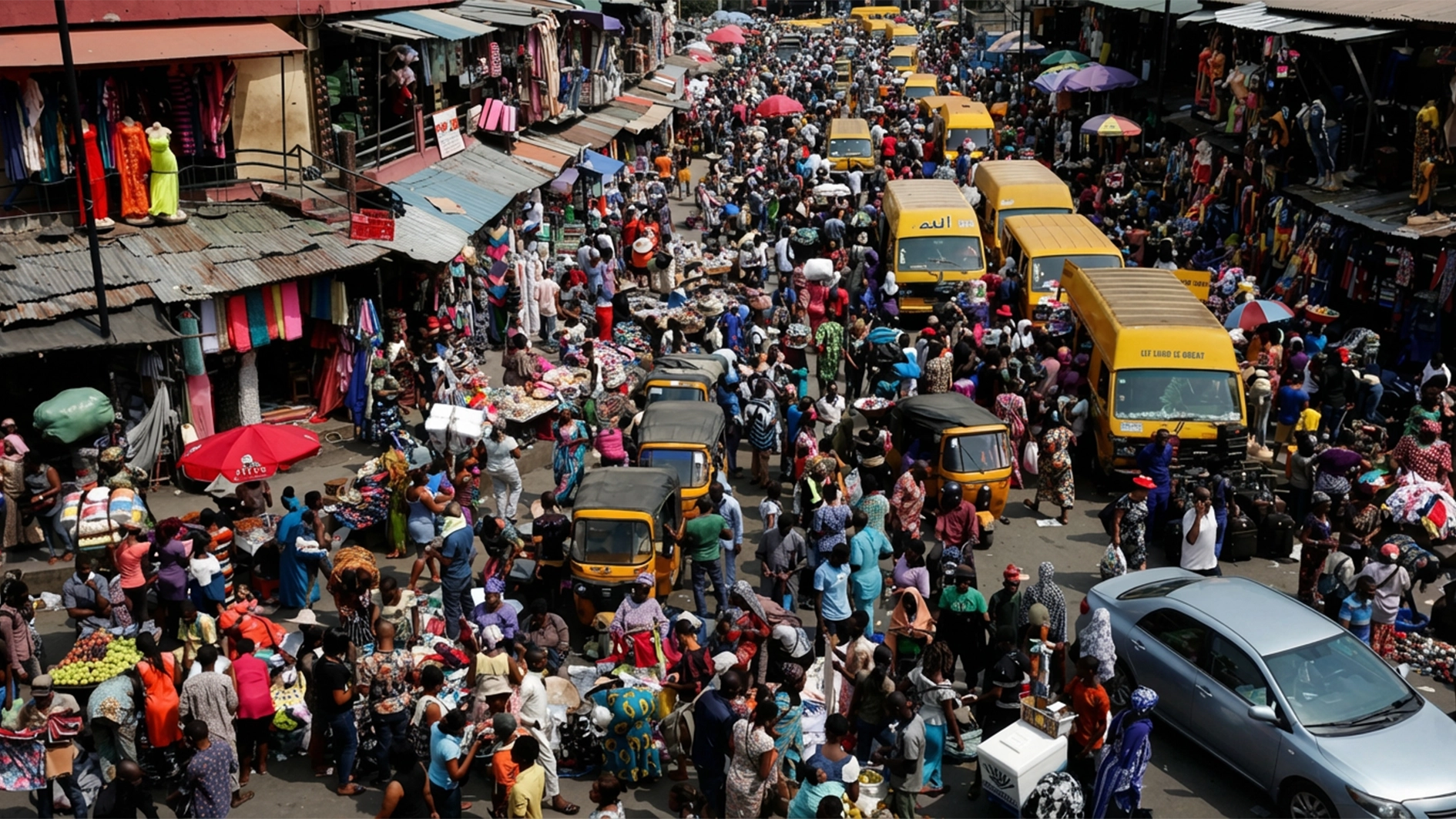
Nigeria’s economy is projected to grow at 4.1 per cent in 2026 and strengthen slightly to 4.3 per cent in 2027, even as the International Monetary Fund (IMF) warned that the ongoing Middle East conflict is clouding the global outlook.
The projections, contained in the IMF’s April 2026 World Economic Outlook released at the ongoing IMF/World Bank Spring Meetings in Washington DC, the United States, show a relatively stable trajectory for Nigeria despite rising external risks, particularly from energy market disruptions triggered by the war.
The IMF had earlier projected stronger growth of about 4.4 per cent in early January before the latest global shock, reflecting the impact of domestic reforms and improving macroeconomic conditions.
While Nigeria’s growth outlook remains steady, the IMF warned that countries like Nigeria face growing vulnerability from higher global energy prices, inflation pressures and tighter financial conditions.
The war, which has disrupted oil supply routes and pushed up fuel costs, is already feeding into domestic inflation and cost-of-living pressures.
Recent data show petrol and diesel prices have surged sharply since the conflict began, straining households and businesses.
Although higher crude prices may support government revenues, the broader macroeconomic impact remains mixed, with inflation and exchange rate pressures posing downside risks.
The IMF also cut global growth to 3.1 per cent in 2026, with only a modest recovery to 3.2 per cent in 2027 as the Middle East conflict disrupts trade and energy markets.
Emerging markets and developing economies, including Nigeria, are expected to grow at 3.9 per cent this year before recovering to 4.2 per cent in 2027, reflecting the uneven impact of the shock across regions.
Sub-Saharan Africa is projected to expand by 4.3 per cent in 2026 and 4.4 per cent in 2027, placing Nigeria slightly below the regional average but still among the stronger performers.
South Africa, the continent’s largest economy, continues to lag with growth forecast at one per cent in 2026, rising modestly to 1.3 per cent in 2027.
Among major economies, the U.S. is projected to grow by 2.3 per cent in 2026 before easing to 2.1 per cent in 2027, while China is projected to grow by 4.4 per cent and four per cent respectively.
India remains the fastest-growing major economy at 6.5 per cent through 2027, while the Euro Area continues to struggle with weak growth, particularly in Germany and France.
The IMF warned that many developing economies, particularly energy importers, remain vulnerable to rising costs and external shocks.
The IMF urged central banks to prioritise price stability, warning against easing policy prematurely in response to supply shocks. It stressed the need for clear communication and strong institutional independence.
On fiscal policy, the Fund cautioned against broad-based energy subsidies, describing them as costly and inefficient. It recommended a targeted and temporary support for vulnerable households, funded within existing budgets.
The IMF also warned against the use of trade restrictions to address external imbalances, noting that such measures tend to weaken output without resolving underlying issues. It called instead for coordinated global action to stabilise trade and restore energy supply chains. (Guardian)



