Updating your news feed...
NEWS EXPRESS is Nigeria’s leading online newspaper. Published by Africa’s international award-winning journalist, Mr. Isaac Umunna, NEWS EXPRESS is Nigeria’s first truly professional online daily newspaper. It is published from Lagos, Nigeria’s economic and media hub, and has a provision for occasional special print editions. Thanks to our vast network of sources and dedicated team of professional journalists and contributors spread across Nigeria and overseas, NEWS EXPRESS has become synonymous with newsbreaks and exclusive stories from around the world.

























Loading banners
Loading banners...

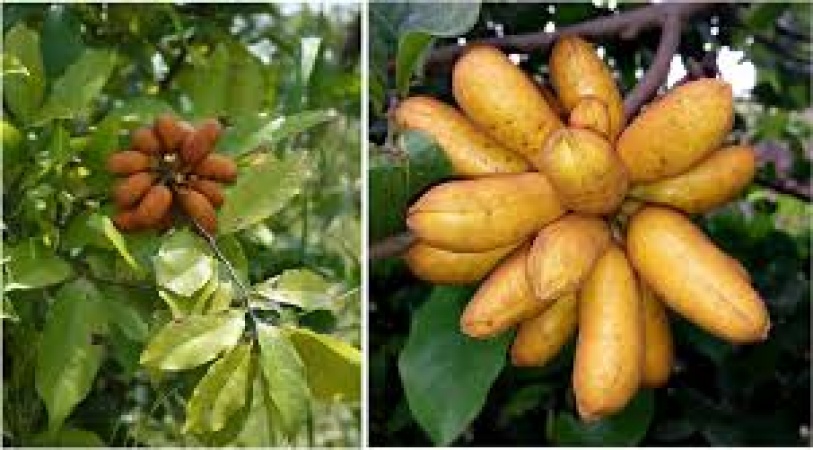
Uvaria chamae and Cylicodiscus gabunensis
Extracts from two African medicinal plants—Uvaria chamae and Cylicodiscus gabunensis—may help improve erectile function, according to a new study suggesting the herbs could serve as natural alternatives for managing erectile dysfunction.
The findings, published in the journal Phytomedicine Plus, showed that extracts from the plants significantly improved erectile responses in laboratory rats. In several measures, the herbal treatment produced effects comparable to those of the commonly used erectile dysfunction drug Sildenafil.
Although the results are preliminary and based on animal research, scientists say the findings highlight the potential of these plants as natural therapies for erectile dysfunction, a condition that affects millions of men worldwide.
For generations, communities across Africa have relied on medicinal plants to treat a wide range of health conditions, including reproductive and sexual health problems. Researchers say such traditional knowledge is increasingly attracting scientific attention as experts search for safer and more affordable treatment options.
One of the plants examined in the study, Uvaria chamae, commonly known as bush plum or finger root, is widely used in traditional medicine. The plant is known as Eruju among the Yoruba and Mmimi ohia in Igbo-speaking communities.
The second plant, Cylicodiscus gabunensis, commonly called African greenheart, is a large forest tree found across West and Central Africa. In local languages, it is known as Okan in Yoruba and Oshishi Okan in Igbo. Various parts of the tree, especially the bark, have been studied for their medicinal benefits, including their potential to improve blood circulation.
Erectile dysfunction, often referred to as ED, occurs when a man cannot achieve or maintain an erection firm enough for sexual intercourse. The condition can affect men of all ages, though it becomes more common with age.
Several factors may contribute to erectile dysfunction or poor libido. These include ageing, chronic diseases such as diabetes and heart disease, hormonal imbalances, stress, and psychological issues such as anxiety or depression. Lifestyle factors such as smoking, excessive alcohol use, and lack of physical activity may also increase the risk.
Medications such as Sildenafil are commonly prescribed to treat erectile dysfunction. These drugs work by improving blood flow to the penis, allowing men to achieve and maintain erections. However, some men experience side effects or may not respond well to pharmaceutical treatments, prompting researchers to explore alternative therapies, including plant-based remedies.
The new study was led by Etukudo Okon Jimmy at the University of Uyo and colleagues, who investigated the effects of the two plant extracts using 40 male albino Wistar rats.
The animals were divided into five groups. One group served as the control and received distilled water. Three other groups were given low, medium, and high doses of a mixture of the plant extracts. The final group received sildenafil citrate as a positive control to compare the herbal treatment with the standard drug.
During the 21-day study, researchers observed several indicators of sexual behaviour commonly used in laboratory studies to evaluate erectile function. These included mount frequency, intromission frequency, ejaculation latency, and other measures of sexual performance.
The study found that rats treated with extracts from Uvaria chamae and Cylicodiscus gabunensis showed noticeable improvements in sexual performance compared with those in the control group.
For instance, treated rats recorded higher mount frequency and intromission frequency, indicators that suggest stronger sexual drive and improved erectile function. At the same time, mount latency and intromission latency decreased, meaning the animals initiated sexual activity more quickly.
Researchers also observed a shorter post-ejaculatory interval among treated rats, indicating that the animals recovered faster after mating.
Interestingly, the study found that rats given medium doses of the plant extracts performed similarly to those treated with Sildenafil in most of the indicators used to measure erectile function.
The researchers believe the beneficial effects may be linked to chemical compounds present in the plants, including flavonoids and other bioactive substances. These compounds are known to promote the widening of blood vessels, which improves blood circulation.
Increased blood flow to the penis is essential for achieving and maintaining an erection. By enhancing circulation and reducing inflammation, these compounds may support the biological processes involved in erectile function.
Despite the encouraging findings, the researchers cautioned that the study was conducted only in animals. More research is needed to determine whether the same effects would occur in humans.
Future studies will need to identify the specific compounds responsible for the observed benefits, determine safe and effective dosage levels, and evaluate possible side effects. Clinical trials involving human participants will also be required to confirm whether the plant extracts can be used safely and effectively to treat erectile dysfunction.
Nevertheless, the scientists say the findings provide valuable early evidence supporting the potential use of these plants in developing alternative therapies.
Beyond these plants, several other natural products have also been studied for their possible benefits in male reproductive health.
For example, a study published in the Asian Science Bulletin reported that Kunnu Aya—a traditional drink made from tiger nuts, dates and coconut milk—may improve immunity, boost energy levels, enhance sexual performance, and support sperm quality.
Tiger nuts themselves have been shown in some studies to improve sperm count and quality while increasing sexual arousal in men, making them a potential natural option for supporting male fertility.
Another plant product attracting attention is bitter kola. Research suggests it may provide a relatively affordable option for managing mild erectile dysfunction.
In a phase II clinical trial reported in the African Urology, men who consumed different daily doses of bitter kola experienced improvements in erectile function scores as well as greater satisfaction during sexual intercourse.
The study involved 40 men aged over 25 diagnosed with erectile dysfunction who were enrolled through the Pan African Clinical Trials Registry and treated at the Yaoundé Central Hospital in Cameroon.
Speaking at a research event at the College of Medicine, University of Ibadan, biochemistry and molecular toxicology professor Ebenezer Farombi said traditional beliefs about bitter kola’s benefits may have some scientific basis.
According to him, studies in animals suggest bitter kola may help increase testosterone levels, a hormone that plays an important role in sexual function.
“When testosterone levels fall, libido may decrease. But research has shown that bitter kola may help increase testosterone and improve sperm quality in preclinical studies,” he said.
As scientists continue to explore the medicinal value of plants used in traditional medicine, such discoveries could lead to treatment options that are safer, more affordable, and culturally familiar.
If future studies confirm the findings, extracts from Uvaria chamae and Cylicodiscus gabunensis could eventually form part of new natural therapies for men living with erectile dysfunction. (Nigerian Tribune)