Updating your news feed...

NEWS EXPRESS is Nigeria’s leading online newspaper. Published by Africa’s international award-winning journalist, Mr. Isaac Umunna, NEWS EXPRESS is Nigeria’s first truly professional online daily newspaper. It is published from Lagos, Nigeria’s economic and media hub, and has a provision for occasional special print editions. Thanks to our vast network of sources and dedicated team of professional journalists and contributors spread across Nigeria and overseas, NEWS EXPRESS has become synonymous with newsbreaks and exclusive stories from around the world.


















Loading banners
Loading banners...

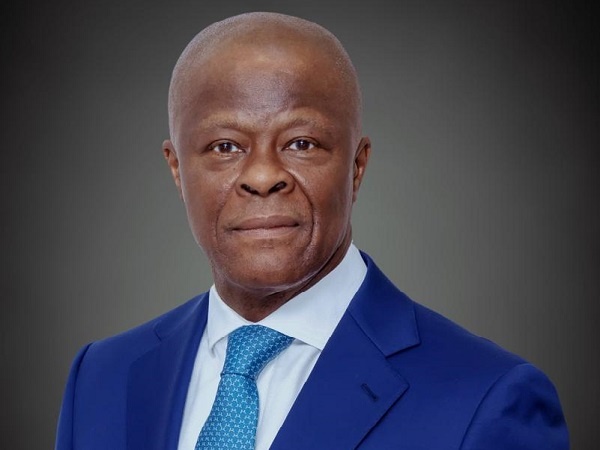
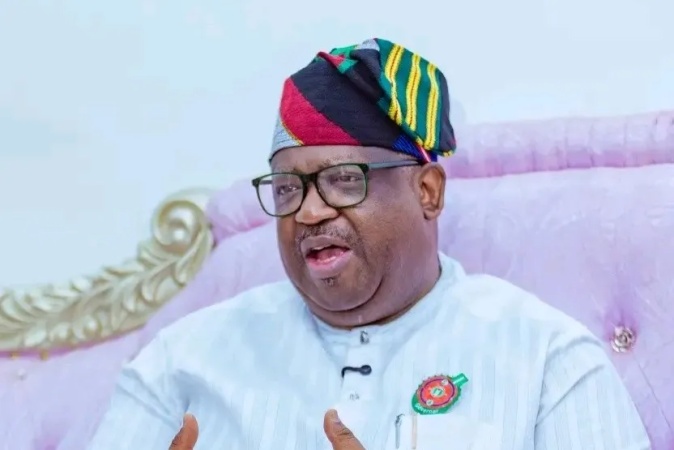
Minister of Finance and Coordinating Minister of the Economy, Mr Wale Edun
Nigeria’s Minister of Finance and Coordinating Minister of the Economy, Mr. Wale Edun, has said many African countries are struggling with high borrowing costs of over 10 per cent on commercial loans, warning that such rates make it difficult for governments on the continent to fund development projects.
Edun spoke during an interview with CGTN at the just-concluded 39th Summit of the African Union held in Addis Ababa, where leaders discussed economic cooperation, financing challenges and development strategies for African nations.
According to him, “African economies and African countries are finding themselves paying well over 10% per annum for commercial debt.” He explained that such high interest rates are not sustainable for countries that are still developing and need large investments in infrastructure, education, healthcare and industry. He added that governments across Africa are therefore calling for reforms to the global financial system so that developing countries can borrow at lower and fairer rates.
“That is not a sustainable way to finance development,” he said, noting that African nations want adjustments to what he described as the current options available in the global financial system. He said there is enough financial capacity and technical expertise around the world to design new solutions that would reduce risks for lenders and make it easier for African countries to access cheaper financing. According to him, better risk-sharing systems could allow international lenders to charge lower interest rates to developing economies.
The minister also spoke about changes in the global economic environment, saying that there appears to be a gradual move away from multilateral cooperation and a rules-based world trading system. He explained that such a shift could affect developing countries because they usually benefit when global trade expands and follows clear rules.
“I think if you accept that there is a withdrawal from multilateralism, there’s a withdrawal from a world trade order that is based on rules and that is growing and therefore has the opportunity for developing countries to benefit from that growing world trade to grow their own economies. To counteract the fact that that momentum is no longer there, of course, the first thing is to reform our economies,” he said.
Edun noted that African countries must respond to these global changes by strengthening their domestic economies and improving their financial systems so they can withstand external shocks. He said this would require policy reforms, better management of public finances and stronger economic planning.
He also said Africa and other developing regions need a new development approach and a new financing model that reflects current realities. He explained that existing international financial structures were designed decades ago and may no longer meet the needs of countries facing modern economic challenges such as climate change, debt pressures and slow capital inflows.
“What that means for the African Union, for the countries of Africa, and even for the developing world, is that a new developmental model, a new financing model, must come up,” he said.
The minister pointed to recent global financial data to show the scale of the problem. According to him, figures for 2024 indicate that developing countries paid about 173 billion dollars in debt servicing, while foreign direct investment into those countries remained below 100 billion dollars. He explained that this means more money is leaving developing economies to repay debt than is coming in through investments or development support.
“So, therefore, when you look at what is going out in debt service, it is more than what is coming in in overseas development assistance; it is more than what is coming in in foreign direct investment,” he said.
Edun warned that this trend puts pressure on government budgets because funds that could have been used for development projects are instead used to service existing debts. He said this is why African countries are urging global financial institutions and advanced economies to review lending frameworks and create fairer conditions for developing nations.
He stressed that improving access to affordable financing is essential if African countries are to grow their economies, reduce poverty and compete globally. According to him, reforming the global financial system and strengthening domestic economic policies must happen together if the continent is to achieve long-term growth and stability.
The minister concluded that Africa’s future growth depends on practical reforms at both the international and national levels, saying cooperation among countries, institutions and development partners will be necessary to create a system that supports sustainable development rather than deepening debt burdens. (The Nation)