Updating your news feed...
NEWS EXPRESS is Nigeria’s leading online newspaper. Published by Africa’s international award-winning journalist, Mr. Isaac Umunna, NEWS EXPRESS is Nigeria’s first truly professional online daily newspaper. It is published from Lagos, Nigeria’s economic and media hub, and has a provision for occasional special print editions. Thanks to our vast network of sources and dedicated team of professional journalists and contributors spread across Nigeria and overseas, NEWS EXPRESS has become synonymous with newsbreaks and exclusive stories from around the world.






.webp)












Loading banners
Loading banners...

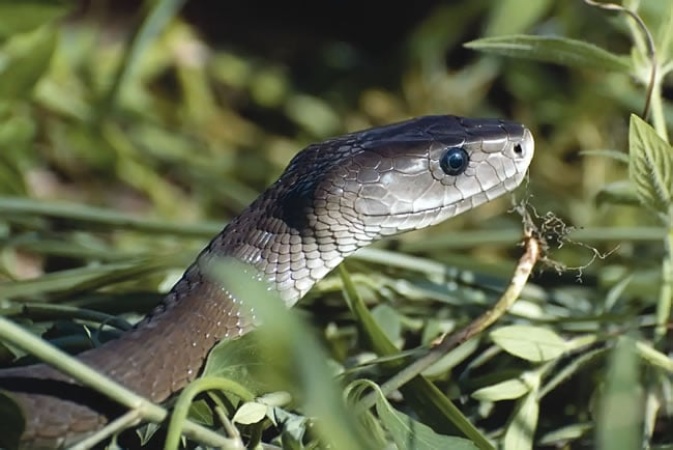
The Nigerian Association of Resident Doctors (NARD) has cautioned against what it described as the spread of medical misinformation following the death of a young singer, Ifunaya, who reportedly died from complications of a snake bite at a hospital in Abuja.
In a statement jointly signed by the association’s president, Dr Mohammad Usman Suleiman; secretary-general, Dr Shuaibu Ibrahim; and publicity and social secretary, Dr Abdulmajid Yahya Ibrahim on Tuesday, the association described the loss of the young singer as painful and unacceptable.
However, it was noted that public commentary surrounding the incident, particularly on national television, had included inaccurate claims that risked misleading the public and unfairly blaming healthcare workers.
NARD specifically referenced comments made during a recent broadcast of TVC Breakfast, where presenters discussed the management of snakebites. According to the association, some of the claims made on the programme were inconsistent with established medical guidelines.
“Contrary to claims made on the programme, tying or constricting a snake-bitten limb is not recommended in modern medical practice,” the statement said.
NARD explained that the method has been abandoned because evidence shows it can worsen tissue injury, increase the risk of necrosis and does not significantly prevent the spread of venom.
The association also addressed assertions regarding the use of intravenous fluids in snakebite cases. It said the suggestion that such fluids amount to “treatment for malaria” was incorrect and misleading.
“Intravenous fluids are a fundamental supportive intervention used across a wide range of medical emergencies,” NARD said, adding that they are often life-saving in snakebite victims, particularly in cases complicated by shock, dehydration or systemic effects of venom.
While clarifying standard medical practice, the association stressed that snake antivenom remains the definitive treatment for envenomation and that its timely administration can be the difference between life and death.
NARD argued that the persistent shortage of antivenom and other essential medicines in many Nigerian hospitals reflects deeper systemic problems in health financing, procurement and supply chain management.
“This is the core issue that deserves national attention,” the statement said.
NARD also defended frontline healthcare workers, noting that many operate under severe constraints, including shortages of essential drugs, inadequate equipment and insufficient staffing.
It warned that publicly blaming doctors and other health workers for outcomes driven by systemic failures was unjust and counterproductive.
The association called on media organisations to consult qualified medical experts when discussing health-related issues and to ensure accurate and responsible reporting. It also urged governments at all levels to prioritise the availability of life-saving medicines such as snake antivenom, particularly in snake-endemic regions.
“Preventable deaths should prompt constructive, informed conversations on health system reform, not sensationalism or misplaced blame,” NARD said. (TRIBUNE)