Updating your news feed...

NEWS EXPRESS is Nigeria’s leading online newspaper. Published by Africa’s international award-winning journalist, Mr. Isaac Umunna, NEWS EXPRESS is Nigeria’s first truly professional online daily newspaper. It is published from Lagos, Nigeria’s economic and media hub, and has a provision for occasional special print editions. Thanks to our vast network of sources and dedicated team of professional journalists and contributors spread across Nigeria and overseas, NEWS EXPRESS has become synonymous with newsbreaks and exclusive stories from around the world.












Loading banners
Loading banners...

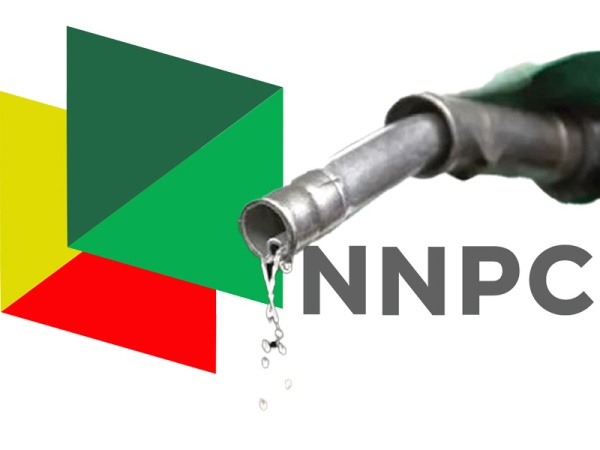
The Nigerian National Petroleum Company (NNPC) Limited has increased petrol prices to N835 per litre in Lagos and N839 per litre in Abuja, marking a significant adjustment across its retail outlets.
Checks on Wednesday confirmed that the national oil company implemented the new prices in both cities, representing an increase of N50 from N785 per litre in Lagos and N20 from N815 per litre in Abuja.
This upward revision follows a recent adjustment by Dangote Refinery, which raised the ex-gantry price of petrol to N799 per litre. The refinery said partner outlets, including MRS filling stations, will now sell the product at N839 per litre, up from N739.
David Bird, Chief Executive Officer of Dangote Petroleum Refinery, assured that the facility continues to supply the domestic market with about 50 million litres of petrol daily. He added that nationwide evacuation and distribution remain seamless. “The refinery’s operational flexibility allows it to process a wide range of crude and intermediate feedstocks, ensuring uninterrupted PMS supply even during planned maintenance activities,” Bird said.
The Nigerian Midstream and Downstream Petroleum Regulatory Authority (NMDPRA) also emphasized the role of market forces in moderating prices. On January 28, NMDPRA Chief Executive Officer Saidu Mohammed said sustained competition, rather than subsidies, guarantees adequate supply and promotes affordability of petrol, diesel, and liquefied petroleum gas (LPG) across the country.
“Sustained competition, rather than subsidies, will guarantee adequate supply of petrol and gas at affordable prices for Nigerians,” Mohammed said, explaining that the removal of the petrol subsidy has allowed market forces to operate effectively, improving efficiency throughout the downstream sector and supporting price stability.
As fuel prices continue to rise in major cities, both regulators and refiners point to increased competition and market driven mechanisms as the key factors shaping Nigeria’s downstream petroleum market. (Arise News)