
Updating your news feed...
NEWS EXPRESS is Nigeria’s leading online newspaper. Published by Africa’s international award-winning journalist, Mr. Isaac Umunna, NEWS EXPRESS is Nigeria’s first truly professional online daily newspaper. It is published from Lagos, Nigeria’s economic and media hub, and has a provision for occasional special print editions. Thanks to our vast network of sources and dedicated team of professional journalists and contributors spread across Nigeria and overseas, NEWS EXPRESS has become synonymous with newsbreaks and exclusive stories from around the world.




.webp)





.webp)














Loading banners
Loading banners...

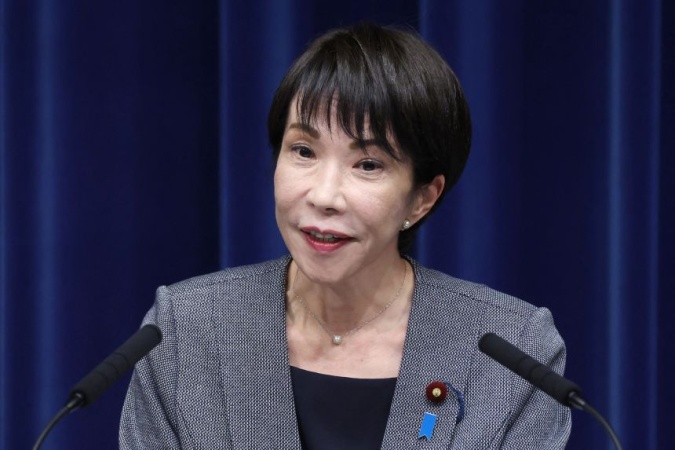
Japanese Prime Minister Sanae Takaichi speaks during a news conference at the PM's office in Tokyo
Japanese Prime Minister Sanae Takaichi on Monday called a snap general election with a vow to suspend an 8% food levy for two years, echoing proposals by her rivals despite the potential strain on the country’s already precarious finances.
A consumption tax cut that many opposition parties have also proposed would create a huge hole in state revenue at a time when concern over Japan’s fiscal health is pushing up bond yields to multi-decade highs.
Japan levies an 8% consumption tax on food and a 10% levy on other goods and services, helping to fund rising social welfare costs among a rapidly aging population.
Takaichi said that a two-year exemption of the 8% food levy would cushion the blow to households from rising living costs. The government will not issue debt to fund the suspension, she said, adding that other measures could include a review of existing subsidies.
“We will overhaul past economic and fiscal policy. My administration will put an end to an excessively tight fiscal policy and a lack of investment for the future,” Takaichi told a press conference.
The growing prospect of a sales tax cut and expectations that Takaichi will use an election victory to solidify her expansionary fiscal policies sent the yield on the 10-year Japanese government bond to a 27-year high of 2.275% on Monday.
“I can’t see why Japan needs a consumption tax cut after compiling a significant stimulus package to counter rising inflation,” said Keiji Kanda, a senior economist at the Daiwa Institute of Research.
“I’m worried these steps could accelerate inflation and lead to further rises in bond yields.”
Mindful of the public’s grumbling over inflation, opposition parties have also called for consumption tax to be cut or ditched ahead of the election to be held on February 8.
A new political party formed last week from two major opposition parties called for the 8% tax on food sales to be abolished. Japan could create a new sovereign wealth fund to generate revenue for the permanent cut, it said in a campaign policy platform on Monday. Other major opposition parties, including the Democratic Party for the People, have also called for the consumption tax to be lowered or eliminated.
Inflation has surpassed the Bank of Japan’s 2% target for nearly four years, fueled largely by stubbornly high food prices, prompting calls from politicians for major spending and tax cuts to cushion the blow for households.
Takaichi’s ruling Liberal Democratic Party (LDP) has long pushed back against opposition calls for a consumption tax cut, saying that it would erode market trust in Japan’s resolve to put its fiscal house in order.
Scrapping the 8% food sales levy would reduce government revenue by an estimated 5 trillion yen ($31.71 billion) a year, according to government data, roughly equivalent to Japan’s annual expenditure on education.
A permanent cut would strain Japan’s already shaky finances and heighten the risk of a bond selloff as investors focus on Takaichi’s expansionary fiscal policy, analysts say. Her government has compiled a record $783 billion budget for the next fiscal year, on top of a stimulus package focused on easing the pain from a rising cost of living. (CNN)



