ADVERTISEMENT

ADVERTISEMENT





















Loading banners


NEWS EXPRESS is Nigeria’s leading online newspaper. Published by Africa’s international award-winning journalist, Mr. Isaac Umunna, NEWS EXPRESS is Nigeria’s first truly professional online daily newspaper. It is published from Lagos, Nigeria’s economic and media hub, and has a provision for occasional special print editions. Thanks to our vast network of sources and dedicated team of professional journalists and contributors spread across Nigeria and overseas, NEWS EXPRESS has become synonymous with newsbreaks and exclusive stories from around the world.
NNPC logo
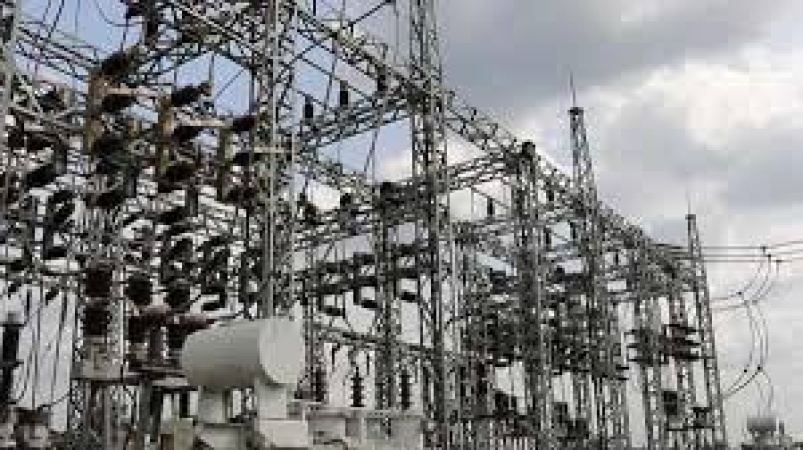
Nigeria National Petroleum Company (NNPC) is in discussions to secure $2 billion in financing for critical pipeline infrastructure repairs, marking the latest step in an ambitious capital-raising campaign designed to revive the country’s flagging petroleum sector.
NNPC is negotiating the financing with Nexus Alliance, a firm specialising in pipeline infrastructure support, people familiar with the matter told Reuters on Monday.
NNPC expects to receive the funds in early 2025, with the money earmarked for repairing and upgrading pipelines ravaged by years of theft and vandalism, said the people, who requested anonymity to discuss confidential negotiations.
The deal would provide crucial resources to address infrastructure challenges that have hampered Nigeria’s ability to maximise revenue from its vast oil and gas reserves. Damaged pipelines and chronic leaks have cost Africa’s largest oil producer billions of dollars in lost production and environmental damage over the past decade.
Representatives for NNPC and Nexus Alliance did not immediately respond to requests for comment.
The pipeline financing discussions form part of a sweeping refinancing effort by NNPC, which has engaged with multiple international lenders in recent months.
The company has held talks with Saudi Arabia-based financial institutions among others as it seeks to overhaul its capital structure and fund operational improvements, the people said.
NNPC’s fundraising ambitions extend well beyond the immediate pipeline deal. The company has set a target of attracting $30 billion in investment by 2027, with expectations of securing roughly half that amount by 2026, according to one person with knowledge of the plans.
The capital influx would support efforts to boost oil production to at least 1.8 million barrels per day while simultaneously expanding gas output.
Nigeria’s oil production has languished below its OPEC quota for years, undermined by aging infrastructure, security challenges in the Niger Delta, and chronic underinvestment. The country pumped approximately 1.5 million barrels daily in recent months, well short of its capacity and substantially below peak production levels reached in the past decade.
The pipeline rehabilitation initiative addresses one of the sector’s most persistent problems. Theft from pipelines and deliberate sabotage have created environmental hazards and diverted millions of barrels of crude into illegal markets. Industry executives estimate that pipeline breaches and illegal tapping cost Nigeria upward of 200,000 barrels per day in lost production, representing hundreds of millions of dollars in forgone revenue annually.
Beyond operational improvements, NNPC is working to position itself for a long-anticipated initial public offering. The company has harboured ambitions to list shares publicly for years, viewing an IPO as both a source of capital and a mechanism to enhance corporate governance. Progress toward a listing has been slow, however, with company officials acknowledging the need to improve transparency and financial accountability before approaching public markets.
The push for better governance comes as Nigeria’s government, under President Bola Tinubu, has implemented sweeping economic reforms, including the removal of fuel subsidies and currency devaluation. These measures have imposed immediate hardships on citizens but are intended to stabilise government finances and create a more attractive environment for foreign investment in the energy sector.
NNPC’s transformation efforts also include streamlining operations and reducing the company’s historically opaque financial practices. The firm has committed to more regular financial disclosures and has brought in external advisers to support restructuring initiatives.
The company operates as both regulator and commercial entity in Nigeria’s oil sector, a dual role that has drawn criticism from transparency advocates. Reformers argue that separating these functions would reduce conflicts of interest and improve sector efficiency, though concrete steps toward such a reorganisation remain unclear.
For Nexus Alliance, the potential $2 billion commitment would represent a significant deployment of capital into African energy infrastructure. The company has established itself as a specialist in pipeline projects across emerging markets, though details about its ownership structure and financial backers are not widely disclosed.
The timing of NNPC’s financing push coincides with a period of elevated oil prices and renewed global interest in African energy resources. International oil companies, while scaling back some operations in Nigeria amid security and regulatory concerns, have maintained substantial investments in offshore projects that face fewer operational challenges than onshore facilities.
NNPC’s success in securing new financing and executing infrastructure upgrades will have implications beyond the company itself. Nigeria depends heavily on oil revenue to fund government operations, and sustained underperformance in the petroleum sector has contributed to fiscal pressures and economic instability.
Reviving production and improving operational efficiency at NNPC could provide the government with additional resources to address budget shortfalls and fund development initiatives.
The company’s ability to meet its ambitious targets will depend on numerous factors, including security conditions in oil-producing regions, the pace of regulatory reforms, and the effectiveness of anti-theft measures. Previous efforts to rehabilitate pipeline networks have achieved mixed results, with some repaired sections quickly falling victim to renewed attacks.
Industry observers note that while the $2 billion pipeline financing would be substantial, it represents only a fraction of the investment required to fully modernise Nigeria’s oil infrastructure. Comprehensive upgrades across the sector could require tens of billions of dollars over the next decade, amounts that will likely necessitate continued engagement with international lenders and investors. (BusinessDay)