Updating your news feed...

NEWS EXPRESS is Nigeria’s leading online newspaper. Published by Africa’s international award-winning journalist, Mr. Isaac Umunna, NEWS EXPRESS is Nigeria’s first truly professional online daily newspaper. It is published from Lagos, Nigeria’s economic and media hub, and has a provision for occasional special print editions. Thanks to our vast network of sources and dedicated team of professional journalists and contributors spread across Nigeria and overseas, NEWS EXPRESS has become synonymous with newsbreaks and exclusive stories from around the world.






















Loading banners
Loading banners...

Nestl logo
A new investigation by Swiss non-profit Public Eye, conducted in partnership with Nigeria?s Consumer Advocacy and Empowerment Foundation (CADEF) has revealed that global food manufacturer Nestl? sells baby cereals with added sugar to African countries, including Nigeria, even though the same products are sugar-free in Europe and parts of Asia.
The findings have raised fresh questions about corporate responsibility, regulatory oversight, and health implications for millions of infants across the continent.
Public Eye?s research focused on Cerelac, Nestl??s widely consumed infant cereal that holds a dominant place in homes across Africa. Laboratory tests conducted on almost 100 Cerelac samples bought in over 20 African countries found that 94 per cent contained added sugar.
Products sold across the continent had an average of 6 grams of added sugar per serving, equivalent to about one and a half cubes of sugar. Some markets recorded as high as 7 to 7.5 grams per serving.
Nigerian samples averaged 5 grams, with some reaching 6.1 grams. These figures represent sugar added by manufacturers and do not include naturally occurring sugars already present in ingredients such as grains, fruits or milk.
Researchers said packaging in many African markets does not clearly disclose added sugars, limiting parents? ability to make informed nutritional decisions.
Nestle has, however, insisted that Cerelac products in Nigeria fully comply with food safety and labelling regulations. It argued that product formulations for Nigeria, like in other markets, are based on local regulatory requirements, ingredient availability and the nutritional needs of children in the region.
?We disagree with the Public Eye report,? Victoria Ndidiamaka Anyianuka, Public Relations, Public Affairs & Sustainability Lead at Nestl? Nigeria, said last night in response to the concerns over differences in sugar levels in Cerelac products sold across regions.
?Our infant cereals products sold in Africa do not contain higher levels of added sugars. It is misleading and scientifically inaccurate to refer to the sugars coming from the cereals and naturally present in fruits as refined sugars added to the products. If we exclude sugars coming from ingredients like milk, cereals and fruit, our CERELAC infant cereals do not contain the levels of added refined sugars mentioned in the report,? she declared.
According to her, Nestl? has requested further details from Public Eye regarding its product analyses and testing methods, but has yet to receive them.
?The levels of all types of added sugars in our infant cereals are well below those set by the international food standards body, Codex Alimentarius. We apply our threshold everywhere, including in Nigeria. We do not have double standards when it comes to early childhood nutrition.?
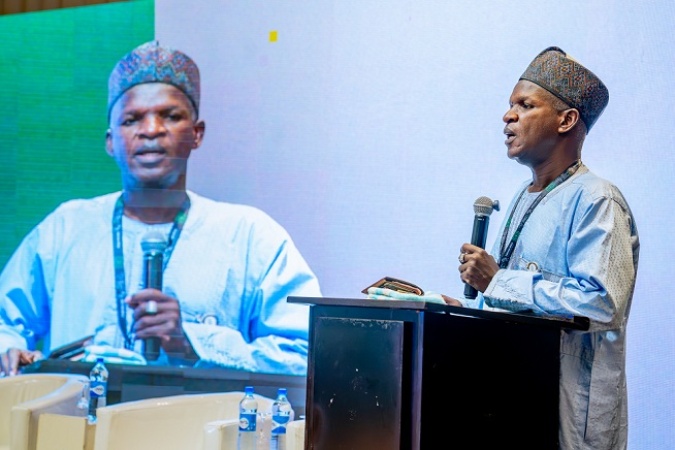
Speaking during a hybrid meeting in Lagos yesterday, Laurent Gaberell, Public Eye?s food and agriculture expert, said the findings reflected a stark formulation gap. According to him, the same Cerelac variants in Switzerland, Germany and the United Kingdom contain no added sugar, and India transitioned to 14 newly redesigned sugar-free infant cereals in 2024 after public outcry. ?Parents cannot make informed choices because they are not told what?s inside,? he said, adding that differences in formulation are not based on technical necessity but are ?a strategic business choice.?
The report arrives as Nigeria faces a rise in non-communicable diseases. One in five adults is overweight, and childhood obesity is increasing at a pace that public health experts describe as alarming. Projections warned that obesity rates could surge by 300 per cent by 2050 if dietary patterns do not improve.
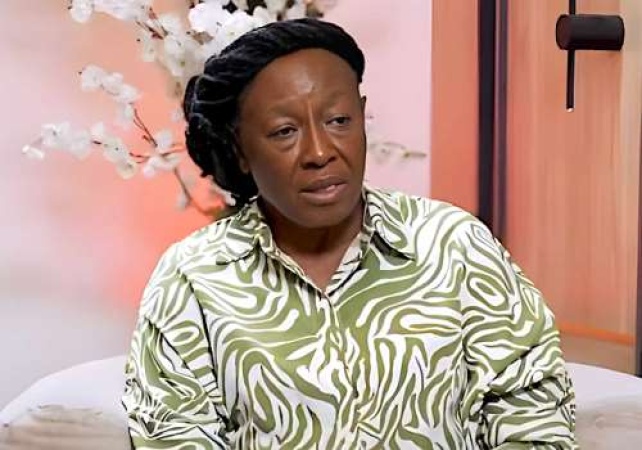
CADEF?s Executive Director, Professor Chiso Ndukwe-Okafor, called the findings a direct threat to public health. She explained that introducing babies to sweetened foods shapes lifelong taste preferences and increases the risk of chronic illnesses. ?This is not just consumer deception; it is a public health threat,? she said. ?African children are being offered formulations that would not be permitted in European markets.?
The investigation also highlighted regulatory gaps. Nigeria?s infant food regulations rely significantly on Codex Alimentarius standards, established in 1981, which allow baby foods to contain up to 20 per cent added sugar. However, the World Health Organisation recommends no added sugar for children under two.
Public health advocates argue that outdated international standards and weak enforcement in African markets create space for multinational companies to adopt practices they have abandoned in developed countries.
Marketing practices were another point of concern. Public Eye noted that Nestl? and its affiliates in Africa sponsor influencers to promote Cerelac, sometimes without disclosing the content as advertising.
The launch of Cerelac Junior, a toddler-targeted line with similar packaging to infant Cerelac, was also cited as a strategy that blurs boundaries between permissible and restricted advertising categories, potentially creating cross-promotion effects.
Regulators and consumer-protection agencies in Nigeria have responded to the report with clarifications. Dr. Ifeoma Okafor, Deputy Director at NAFDAC, reaffirmed the agency?s commitment to ensuring the safety and quality of infant and young children?s foods. She said all registered products comply with national and international standards, including Codex and the Nigerian Industrial Standards. She maintained that differences in formulation between countries do not automatically constitute violations and emphasised that regulatory enforcement must follow legislated guidelines. She also recommended collaboration with the Standards Organisation of Nigeria if the country wishes to set stricter ?no-added-sugar? infant food standards.
Another NAFDAC official, Udo Dan-Ufomadu, noted that the agency?s 2022 labelling regulations require manufacturers to disclose added sugars on nutrition labels. He said full enforcement begins in January and manufacturers have already been notified. He added that the Federal Ministry of Health is considering the introduction of front-of-pack labelling to enhance clarity for consumers and that some companies have started submitting sugar-free variants for registration.
Gaberell clarified that Public Eye?s report is not an indictment of NAFDAC, but a call to review global standards and corporate practices. He commended Nigeria for adopting stricter sugar-disclosure measures but argued that Codex standards need updating. From a consumer standpoint, he said Nigerians expect regulators to champion a complete ban on added sugar in infant foods.
Celia Penny Moses Nagbiku, President of the CeliaPenny Foundation, welcomed NAFDAC?s explanation but expressed concern about long-standing double standards in product formulation. She urged improved public education so parents can read and interpret nutrition labels more confidently. The Federal Competition and Consumer Protection Commission (FCCPC), represented by its Business Education Officer from the Southwest Zonal Office, echoed the need for clarity, stressing that consumers have a right to plain-language information, including for persons with disabilities.
General Manager of the Lagos State Consumer Protection Agency (LASCOPA), Afolabi Solebo, said the state was already strengthening its consumer-protection framework and is working toward a cooperation agreement with the FCCPC to ensure unified action. He said LASCOPA stands ready to support enforcement across Lagos State.
Stakeholders collectively agreed on the need for a joint regulatory meeting involving NAFDAC, FCCPC, SON, and state agencies to define local standards for infant nutrition. They emphasised the possibility of Nigeria establishing its own context-specific infant food standards rather than relying solely on Codex, citing the country?s precedent in tackling predatory digital lending practices. They called for urgent, coordinated steps to protect infants and young children from potentially harmful nutritional exposures.
Nestl? has maintained that its products comply with all local regulations and are fortified to address nutritional deficiencies. However, the company has not directly addressed why sugar-free formulations are provided in Europe while African markets receive versions with added sugar.
According to Anyianuka, ?Nestl? complies fully with all applicable laws and regulations in every market where we operate. Our internal guidelines have a threshold for added sugars which is well below the Codex Alimentarius. Nestl??s own internal nutritional guidelines are often stricter.?
?We are fully transparent about the composition of our products and do not mislead consumers about the sugars in our recipes,? she said when asked about claims that added sugars are not clearly separated on some labels.
?Depending on the regulations in place, we always declare total and/or added sugars. In Nigeria, sugar is declared as an ingredient on our product labels and is included in the total amount of carbohydrates. Our nutrition information also includes, for example, details on serving size, calories, macronutrients such as carbohydrates, micronutrients such as vitamins and minerals.?
Addressing concerns about WHO?s guidance on sugar for children under two, she said the Public Eye report references a document that is not an enforceable global standard.
?The link referenced in the Public Eye report does not cite WHO guidelines, but rather a document titled ?Nutrient and Promotion Profile Model? issued by WHO Europe. This model serves as a recommendation for children?s diets in the European region and has not been adopted into EU legislation. ?International standards for infant nutrition are set by Codex Alimentarius, which countries use as a basis for developing local nutritional regulations. Nestl? complies fully with all applicable laws and regulations in every market where we operate.?
Anyianuka added that Nestl? has been working for years to reduce sugar content across its products.
?We understand parents? concerns about sugars, that is why we have been working for many years to improve our portfolio and reduce our levels of sugars. Today, our internal guidelines have a threshold for added sugars well below the Codex Alimentarius. We aim to offer parents more options and introduce no added sugars variants everywhere. In Central and West Africa, our no-refined sugar variants are already available in Ghana, and in Nigeria, it is undergoing regulatory approvals.
She assured that the company is committed to helping Nigerian parents make informed choices.
?Our products are accompanied by detailed nutritional information and guidance to parents and caregivers on optimum feeding practices and recommended daily intakes in line with local regulations,? she said.
As discussions continue, nutrition advocates present at the event said the findings have opened an important debate across Africa about food safety, corporate ethics and the rights of children to equal nutritional protection. For many parents who have long trusted Cerelac as a first food for their infants, the revelations have raised questions that regulators and manufacturers may now be pressured to answer more fully. (The Sun)





