ADAD
ADADUpdating your news feed...

NEWS EXPRESS is Nigeria’s leading online newspaper. Published by Africa’s international award-winning journalist, Mr. Isaac Umunna, NEWS EXPRESS is Nigeria’s first truly professional online daily newspaper. It is published from Lagos, Nigeria’s economic and media hub, and has a provision for occasional special print editions. Thanks to our vast network of sources and dedicated team of professional journalists and contributors spread across Nigeria and overseas, NEWS EXPRESS has become synonymous with newsbreaks and exclusive stories from around the world.
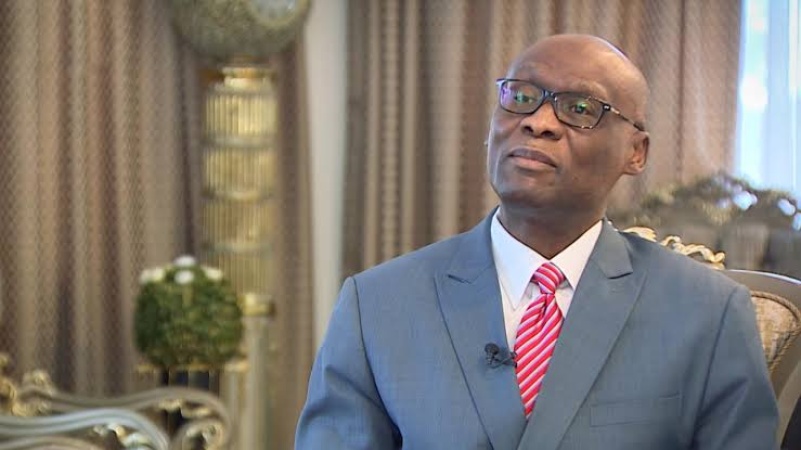

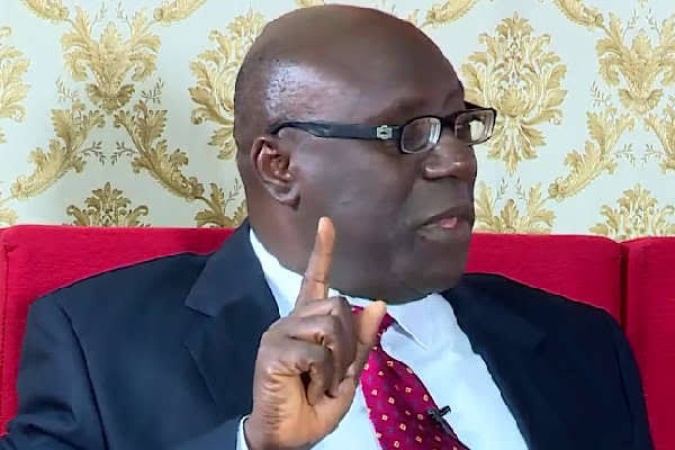
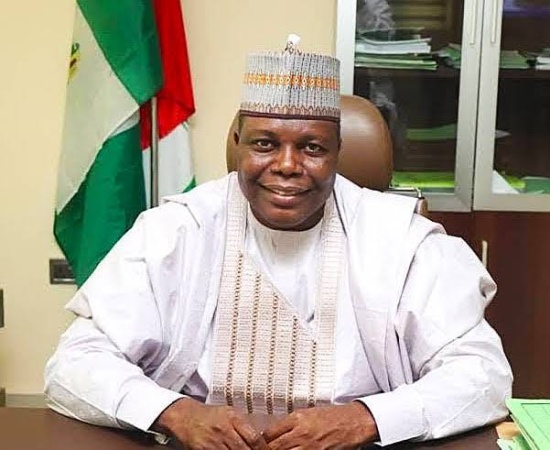
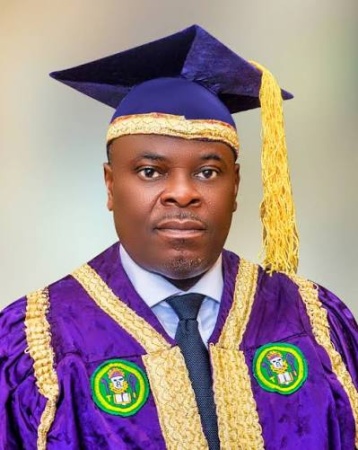


EFCC Chairman Ola Olukoyede and ICPC Chairman, Dr Musa Aliyu
The Economic and Financial Crimes Commission (EFCC) and the Independent Corrupt Practices Commission (ICPC) have warned civil servants against circumventing procurement processes to enrich themselves.
The two anti-graft agencies gave the warning at a two-day integrity innovation lab conference for public servants organised by civil technology organisation, Accountability Lab Nigeria, in partnership with MacArthur Foundation and Ford Foundation in Abuja.
The two-day conference aimed to give the nation robust, solution-oriented conversations for public servants to enable them build the knowledge and equip themselves with tools to influence norms and change behaviors by promoting accountability, integrity and ethical leadership in their duties.
The anti-graft agencies referred the civil servants to several sections of their establishment Acts, and the punitive measures recommended for anyone found to have erred and corruptly enriched his or herself in the cause of procurement processes.
EFCC Chairman Ola Olukoyede, who was represented by an official of the agency, Dr. Johnson Eze, urged Nigerians to key into the fight against corruption.
The EFCC chairman highlighted several efforts the commission was making to tackle different windows of financial corruption, stressing that while a particular window was detected and closed, criminals created others, especially through the digital space to further perpetuate corrupt practices.
He said: “Very often, the person who is screaming at the rooftop, like a child, is the one stabbing somebody in school. We are expecting that one agency will be able to cure every malaise. But I tell you straight up: it is not possible.
“That is why, if there’s anything that I will, point blank, be saying today, it is hold your end. Then we probably will have a chance to fight corruption.”
Olukoyede debunked the belief that the EFCC was playing double standards in the fight against corruption.
He reminded Nigerians about the law that presumes every suspect innocent until otherwise proven, adding that Nigeria is guided by law that citizens and agencies must abide by.
The ICPC Chairman, Dr. Musa Aliyu, who was represented by Clifford Oparaodu, said the commission had been deeply involved in monitoring procurement processes in the public service arena.
He urged civil servants to always abide by the established rules to always foster a clean financial management system.
The Director General of the Bureau of Public Service Reforms (BPSR), Dasuki Arabi, who was represented by the Head of Audit, Emmanuel Achoda, stressed the need to address perceived gaps in service delivery challenges in the nation’s public sector.
He said: “Globally, public service delivery has remained a great challenge. There is perceived dissatisfaction by citizens on service delivery leading to public mistrust and lack of confidence in the integrity of public officers.”
“It’s pertinent to state that for any public institution to attain a world-class standard comparable to any of the developed countries, it must have reliable public officers to drive the objectives and goals of government.
“Upholding integrity in the public service is apt and very strategic to good governance. This accounts for why countries with high level of moral integrity will exhibit lower levels of corruption.”
The Country Director of Accountability Lab Nigeria, Friday Odeh, explained that the workshop was organised to close or attempt to close the huge trust and confidence gap between public servants and other Nigerians.
He said: “This Is important at this time that we are having conversations on bad governance. There were protests across the country recently which provided an opportunity for citizens to demand for better governance and leadership system that will better their lives.
“There’s a need for public servants to build trust with the citizens. Public service should be built on integrity, trust and efficiency. We should be accountable and transparent in our dealings with Nigerians. Quality services are far-fetched and that need to be corrected.” (The Nation)