ADAD
ADADUpdating your news feed...

NEWS EXPRESS is Nigeria’s leading online newspaper. Published by Africa’s international award-winning journalist, Mr. Isaac Umunna, NEWS EXPRESS is Nigeria’s first truly professional online daily newspaper. It is published from Lagos, Nigeria’s economic and media hub, and has a provision for occasional special print editions. Thanks to our vast network of sources and dedicated team of professional journalists and contributors spread across Nigeria and overseas, NEWS EXPRESS has become synonymous with newsbreaks and exclusive stories from around the world.
























Loading banners
Loading banners...


Diphtheria patient
The Nigeria Centre for Disease Control and Prevention (NCDC) has strongly advised individuals at a higher risk of contacting diphtheria to get vaccinated immediately.
NCDC on Thursday gave this advice in a statement on its Twitter handle while also listing those at a higher risk of contacting the infection.
“Those at higher risk include children and adults who have not received a dose of the diphtheria toxoid-containing vaccine,” NCDC tweeted.
“Others are people living in crowded environments and areas with poor sanitation as well as healthcare workers and those exposed to cases of diphtheria.”
NCDC also advised people to visit primary health care centres close to them to get the anti-diphtheria vaccine.
The agency whose goal is to protect Nigerians from the impact of communicable diseases through the coordination of public health preparedness, surveillance and laboratory and response functions for all infectious diseases also listed how diphtheria can be prevented.
It said parents should ensure that their children are fully vaccinated against diphtheria with the three doses of diphtheria antitoxin-containing pentavalent vaccine given as part of Nigeria’s childhood immunisation schedule.
“Healthcare workers should maintain a high index of suspicion for diphtheria,” NCDC added.
“Individuals with signs and symptoms suggestive of diphtheria should isolate themselves and notify their LGA, State disease surveillance officer (DSNO), their State Ministry of Health helpline, or the NCDC through our toll-free line on 6232.
“Individuals who have come in close contact with a confirmed case of diphtheria should be closely monitored, given antibiotics prophylaxis, and started on diphtheria treatment when indicated.
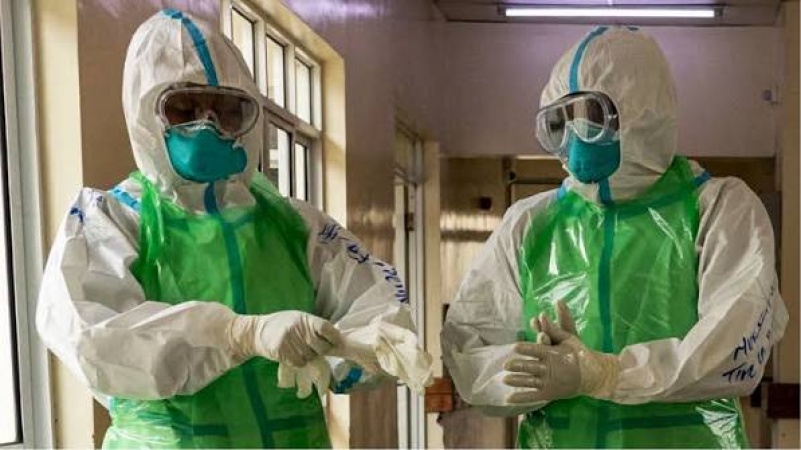
“Healthcare workers should practice standard infection prevention and control precautions while handling patients and body fluids.
“All healthcare workers (doctors, nurses, laboratory scientists, support staff etc.) with a high level of exposure to cases of diphtheria should be vaccinated against diphtheria.” (The Guardian)