Updating your news feed...
NEWS EXPRESS is Nigeria’s leading online newspaper. Published by Africa’s international award-winning journalist, Mr. Isaac Umunna, NEWS EXPRESS is Nigeria’s first truly professional online daily newspaper. It is published from Lagos, Nigeria’s economic and media hub, and has a provision for occasional special print editions. Thanks to our vast network of sources and dedicated team of professional journalists and contributors spread across Nigeria and overseas, NEWS EXPRESS has become synonymous with newsbreaks and exclusive stories from around the world.












Loading banners
Loading banners...


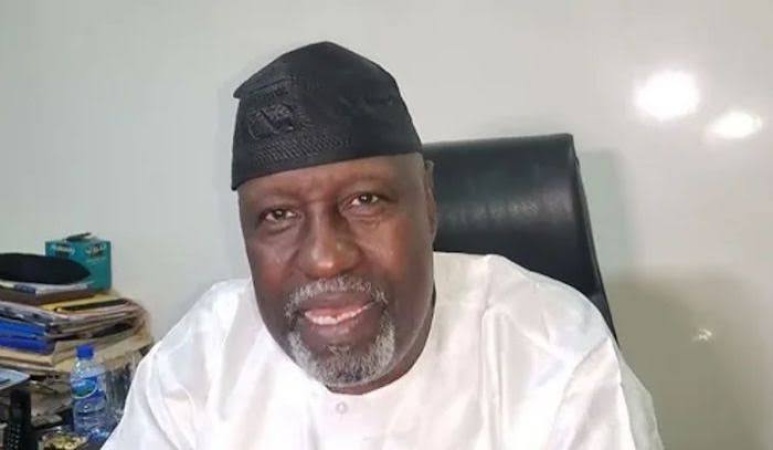
The Association of Digital Media Core Advocates (ADMCA), Anambra State chapter, on Friday, February 18, 2022, advised the governor-elect of Anambra State, Prof. Charles Soludo, to resist the temptation of gagging or regulating the media when he is sworn into office.
The group rather urged Prof. Soludo to see and work with the media as partners in progress, while the media, in turn, must play their roles well and avoid indulging in divide-and-rule tactics.
In a 14-point agenda, ADMCA listed how the Governor should partner with the media for an information-driven administration that would keep the citizenry abreast of government policies.
The President of ADMCA, Dr. Harris Chuma-Odili, who made public, the 14-point agenda proposed by his group, said “Government should not attempt to regulate the media. Without freedom, the media will not be able to perform its responsibility. The freedom of the press and access to information is the oxygen of democracy and must never be compromised.”
“Government must avoid gagging the media and/or banishing those perceived as enemies from state functions. It creates room for enemies of government within to find willing tools to do their bidding,” Chuma-Odili told Soludo.
ADMCA said it expected that the new government of Prof. Soludo “must engender a relationship that speaks partnership and not a master-slave rapport, saying that “this can be achieved with the re-orientation of government’s media team.”
The group also warned that the media team of government must avoid the habit of creating cliques with a view to dividing the media body, often referred to as divide and rule tactics, “because it is counter-productive and breeds enemies where there should be none.”
ADMCA also advised the incoming governor to run a government that must be open and accessible to the media,” adding that “regular town hall meetings with media men should form part of government’s culture in propagating its agenda.”
It also suggested that government and its officials should embrace live broadcast strategy and encourage the media to transmit same via their social media handles.
ADMCA contended that “beyond the reach of traditional media, social media is arguably changing the relationship between governments and citizens. Governments should recognise that these new media forums present a certain accessibility that citizens otherwise wouldn’t have. It enables them to express legitimate concerns and engage more directly with those who govern.”
For a mutual outcome, the group also urged them to be “responsive, responsible and result-driven rather than self-serving and also “help government communicate its agenda in critical areas like revenue generation.”
For ADMCA, the “Media should critique, not criticize,” adding: “Let criticisms reveal alternatives and solutions to problems,” as well as “help government in its re-branding activities with the aim of marketing Anambra’s tourism, entertainment and cultural heritage.”
According to Chuma-Odili the “Media should take interest in accountability and flag issues concerning abuse of office. The new media is a democratic tool that enables citizens to demand greater accountability.
“Media and government should work in partnership in the area of monitoring projects, with a view to communicating the progress and challenges to citizens,” he added.
Chuma-Odili, an erstwhile Director of Anambra Media Excellence Awards (AMEA), also called for continuous cordial relationship between media practitioners and the state government, saying “this is in pursuance of the vital social and constitutional role of the media as the watchdog of every democratic society.”